



Service 518-862-8796

Goldstein Chrysler Jeep Dodge RAM

Blog / Advice and Tips

Blog

All Advice and Tips Around Town My Favorite Vehicle New Cars Cool News Jeep Albany Chrysler Dealer Car Safety Video Albany Chrysler Service Albany Used Cars Goldstein Chrysler Jeep Dodge Ram Service Reviews
2018 Gray Jeep Compass | Goldstein Chrysler Jeep Dodge RAM

Five Car Buying Tips for Your Teen Driver

One of the most anticipated moments in a teen's life is the purchase of their first car. As a parent, you're on the fence between coddling them safely and letting them freely embrace this step into adulthood. To help ease the transition and ensure your teen is well informed about the responsibilities and expectations of owning a car, check out these five tips for your teen driver. Consider Your Needs What need does the car serve? Your teen's needs will determine the type of car they purchase and can make the difference between a spacious gas guzzler and a small economy car. Is the car needed for school, work, or both? Do you live in an area with good public transportation or a rural area with limited transportation options? Do you need a car to carry your athletic equipment or food deliveries? Is there adequate parking in your neighborhood and places you visit? Answering these questions can help your teen choose a vehicle that not only meets their needs but also works with the limitations and circumstances in their environment. more Review Your Finances In addition to the initial cost of the car, there are regular costs associated with owning a car, including gas, tolls and parking fees, car loan payments, and insurance. It's important that your teen is aware and prepared for these expenses. How much can your teen afford to spend? Will you be assisting with some of the costs? Keep Safety at the Forefront While image is everything for your teen, safety is paramount. The Centers for Disease Control and Prevention (CDC) provides important information on driving safety for your teenage driver.  Encourage your teen to explore the safety features of the vehicles of choice, making sure the car has airbags, anti-lock brakes, and other safety features. Conduct Adequate Research With your needs, finances, and safety requirements in mind, your teen is ready to conduct some research to locate the most suitable car. There is a wealth of information available online via various car review sites, such as car manufacturer websites, and Goldstein Chrysler Jeep Dodge RAM’s Model Research Page. Research gives your teen the ability to see all the information up front before visiting the dealership or seller. Test Drive and Inspect the Vehicle Before Purchase To really get a feel for a vehicle, your teen should take it for a test drive. Use the vehicle in conditions that you normally do, such as driving on the highway from work to home, taking that sharp curve on the shortcut to school. As with any vehicle, your teen should check it over thoroughly before buying. This can be done via a pre-inspection from the dealership, a Carfax check, or through an ASE-certified mechanic that you trust. Looking for a new, used, or certified pre-owned Chrysler, Jeep, Dodge, or Ram vehicle for your teen in the Albany area? Goldstein CDJR in Latham, New York, has you covered with a full-service dealership including a large inventory, on-site service center, and financing options available.

Icy and snowy road | Goldstein Chrysler Jeep Dodge RAM

5 Tips for Driving on Ice

Winter driving brings plenty of challenges, but perhaps the most difficult to deal with is driving on ice. If freezing rain is in the forecast, your best bet is to stay home and wait for the roads to clear. However, if you have to head out, follow these tips to safely drive in icy conditions. more Understanding Black Ice Contrary to its name, black ice isn't actually black. It forms when a thin layer of ice contains very few air bubbles, making it completely transparent. Because the ice is transparent, it takes on whatever color is under it. In the case of a road, it looks black like the asphalt and is nearly impossible to see. Because black ice is practically invisible, it's very dangerous on the road. Black ice tends to form in the evening and the morning. If you see a patch of roadway ahead of you that looks shiny while the rest of the road looks dull, it could be black ice. Slow Down If temperatures are around freezing, you know there's a chance for ice. Therefore, you should always reduce your speed. If you're sliding or fishtailing, you're driving too fast for the conditions. If you find yourself driving on black ice, take your foot off the accelerator and don't hit the brakes or make any sudden movements. The idea is to keep the steering wheel straight and let the car travel over the ice. Black ice is usually patchy, so you'll likely hit clear pavement in just a few feet. Steer Into the Slide If you're on ice and feel the back end of your car starting to slide, use the steering wheel to gently turn the same direction of the slide. It also helps to focus your eyes on where you want the vehicle to go and point the steering wheel in that direction. If you try to steer against the slide, you could end up overcorrecting and spin out. Use Caution Approaching Bridges and Overpasses You likely see the signs warning you about ice forming on the bridge, and if you're driving when it's at or below freezing, you need to take those warnings seriously. Bridges and overpasses have air on all sides and no way to trap heat, which makes them freeze more quickly than the road. If you're approaching a bridge or overpass and it looks wet, that might actually be ice on the surface. Give Yourself More Following Time When roads are dry, driving experts recommend leaving three to four seconds between you and the vehicle in front of you. However, when you're driving in snowy and icy conditions, you should increase your following distance to eight to 10 seconds. This increase will give you the longer distance you need to react or come to a stop safely. If you need to head out on the road during icy conditions, follow these tips to know how to spot warning signs of ice and how to drive safely over it. Pick the right vehicle You might think that All Wheel Drive will help in winter weather - and you’re right! All Wheel Drive can also help you navigate roads with snow after the plow went through. Remember, All Wheel Drive is an assistant, and should be used along with your safe, responsible driving and common sense. Shop for A ll Wheel Drive vehicles here.

Snowy and Icy road | Goldstein Chrysler Jeep Dodge RAM

How to Get Your Vehicle Ready for Winter Driving

Driving in the winter offers a unique set of challenges. As the fall season comes to an end and the first hint of snowflakes are in the air, you need to take the opportunity to make sure your vehicle is ready for winter driving by considering the following tips. more Check Your Tires Having the right tires on your vehicle can give you a huge advantage when you're dealing with snowy or icy roads. If you have all-season tires on your vehicle, check the pressure in each tire to make sure it's at the level recommended in your vehicle's manual. You should also take a moment to check the tread on your tires. Simply stick a penny in the tire's tread with Lincoln's head pointing down. If you can see all of his head, the tread is too low and you need to replace the tire. Change Your Windshield Washer Fluid If you try to use summer blend windshield washer fluid during the winter, you might end up making an even bigger mess on your windshield since it can freeze as soon as it hits. Instead, switch to a winter blend windshield washer fluid at the end of fall. This fluid can stand up to the freezing temperatures of winter and even comes with a special de-icer ingredient that helps loosen snow and ice from your windshield. Replace Your Wiper Blades Along with switching your windshield washer fluid, you should also consider changing your wiper blades so you start the winter with a fresh set. If your car sits outside in the sun during summer, the heat can break down the rubber on the blades. The last thing you want when you're driving through snow is a set of wipers that can't clear the windshield. Look for winter wiper blades that have a protective rubber shell that helps the blade stay clean of ice and snow. Check Your Battery Cold mornings are hard on your battery, and having one that's close to its expiration date can leave you stranded if it doesn't want to start when the temperature dips below freezing. Only professional equipment can tell you if your battery is weak, but you can give it a visual inspection and look for cracks or breaks in the battery cables or loose terminals. While you're inspecting the battery, check its manufacture date. If it's close to four years old, it's time to consider replacing it with a new one. Pack an Emergency Car Kit The last step you want to take to prepare your vehicle for winter is to pack an emergency car kit. This should include a first aid kit, blanket, gloves, hat, small shovel, kitty litter or sand for traction, road flares, flashlight, ice scraper, and snacks. You can put everything in a large plastic container and keep it in your trunk in case you need it when you're on the road. Pick the right vehicle You might think that All Wheel Drive will help in winter weather - and you’re right! All Wheel Drive can also help you navigate roads with snow after the plow went through. Remember, All Wheel Drive is an assistant, and should be used along with your safe, responsible driving and common sense. Shop for all wheel drive vehicles here. Make sure your vehicle is ready to take on snowy roads by following these steps to prepare it for winter driving.

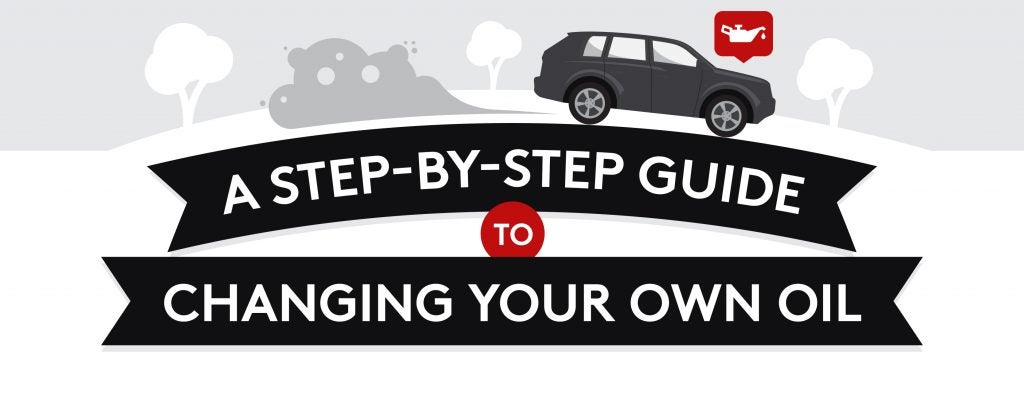
How To Change Your Oil

The best protection for your engine is an oil change. By getting your oil changed, it will prevent wear on engine parts and it will run cooler. If you don’t change your oil as frequently as suggested, it will cause engine damage. Try not to use the same oil for more than 5,000 miles and you definitely should not go more than 6 months without an oil change. Routine oil changes will help to maximize engine reliability, so if you’re looking to keep your car for a long time, make sure to keep changing the oil. Protect your Chrysler, Dodge, Jeep, or Ram for a lifetime with our recommended maintenance schedule. With the Goldstein Lifetime Warranty, you'll never have to change your own oil. But you never know when you will need to help out a friend. Here is a step-by-step guide to changing your own oil. more These steps are great if you're in a pinch or when you’re helping someone out that doesn't have lifetime oil changes at Goldstein Chrysler Dodge Jeep Ram. Take advantage of the Goldstein Lifetime Warranty and schedule your next oil change with us today.

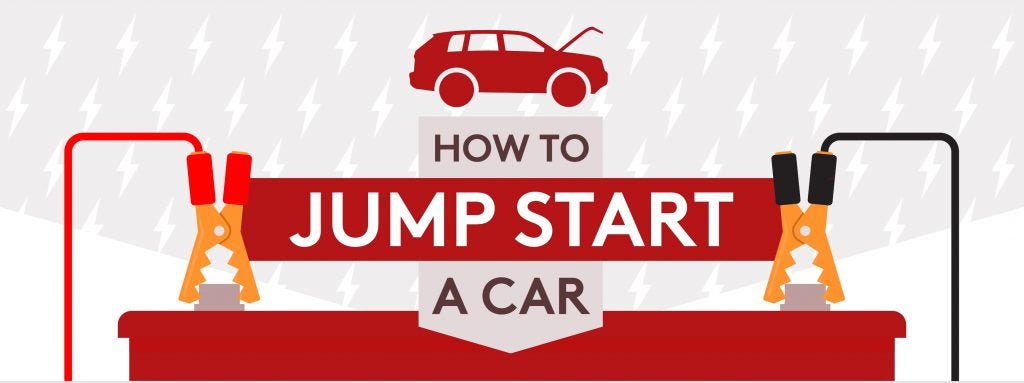
How To Jump Start Your Car

To make sure your battery lasts, take it in for service to keep the battery clean and ensure proper connections. Making sure your battery stays clean will prevent electrical problems and the vehicle will start much easier. Without getting your battery checked, it will start to fail, the vehicle won’t start, there will be cable corrosion and acid spills. Schedule your service appointment with Goldstein Chrysler Dodge Jeep Ram today. If you find yourself, or a friend in need of a jump, you're in luck, because jump starting your car is a simple process that almost anyone can do. If you don't know how, don't worry. Here is a simple guide to help. more

break lights and headlights in traffic | Goldstein Chrysler Jeep Dodge RAM

5 Tips for Improving Your Commute

If you would like to avoid stress and delays when commuting to work, you might need to consider alternative solutions and plan ahead. With an increasing number fo cars on the roads of the United States every year, you need to adjust to the traffic conditions and make sure you do not spend more time behind the wheel than necessary. Read the below tips to improve your daily commute. more 1. Make Sure You Stay Entertained If you have an infotainment system in the car, you should use it. Don't get distracted by social media, but make sure that you take your favorite tracks, or have your radio station stored. If you are entertained, time goes faster, no matter how long the traffic jam is and how tired you are of driving. You might even want to join a car share project at work and share the car with someone else. Having a meaningful conversation can help you forget about commuting. 2. Be Comfortable If you know that your commute will take longer than 30 minutes, you might want to pack your suit and smart shoes in the trunk and travel comfortably. This will help you relax more and make you feel home. If you start five minutes earlier, you will have plenty of time to change before you meet anyone at work. 3. Reduce Stress If driving to work stresses you out, you are not alone. Reacting to people's driving style and actions and being on the lookout for sudden lane changes can be challenging. Never leave the house stressed. While coffee is good for waking you up and keeping you alert in the morning, if you have too much caffeine, you will suffer from increased anxiety. Try to relax in the morning before you get in the car, instead of rushing through the door. 4. Learn Something Every Day If you are interested in a new development in your industry, or want to listen to a speech of your favorite public speaker, download the MP3 file and listen to it on the way to your workplace. This way, you can stay informed and productive. Instead of focusing on being stuck on the road, you can learn a new language, skill, or get great ideas to improve your life. 5. Reward Yourself Daily commutes sometimes seem never-ending. Make sure that you keep the end goal in mind. Would you like to stop at a great coffee shop to get a special cappuccino? Do you want to try the home-made pie on the corner? Make sure you create a reward for yourself upon completing your journey and stay motivated. Keep on challenging yourself every day, and you will become a more relaxed and more confident driver when commuting. Some people prefer listening to music or podcast during their daily commute, while others like the company of others. No matter what your preference is, make sure you are calm, confident, comfortable, and relaxed behind the wheel when talking challenging or routine journeys.

Guy driving a car | Goldstein Chrysler Jeep Dodge RAM

How to Tone Down Aggressive Driving

Unfortunately, road rage is something people come in contact with on a regular basis. Whether you struggle with aggressive driving, or you come across other angry drivers on your daily commute, keep these five tips in mind to help tone it down. more Avoid Eye Contact Someone just cut you off in traffic, and you are frustrated. Keep your eyes on the road. Even if your anger towards another driver is legitimate, your main focus should always be on the road in front of you. Avoiding eye contact keeps both drivers calmer. If you are the victim of an aggressive driver, this will take away their chance to engage with you. If you tend towards road rage yourself, remembering to stay focused on the road will help to avoid stirring up your anger more. Stay Humble Everyone makes mistakes. Even the most careful, experienced driver can get distracted for a second. Before getting upset with another driver, remember the last time you slipped up while driving. Do you wish others would have been gracious to you in that moment? Remember to give others the benefit of the doubt and treat them how you would want to be treated. You never know what kind of day someone else might be having. Avoid Angry Gesturing Obscene hand gestures are bound to escalate the situation, and they are never necessary. Other gesturing, like flashing headlights or honking the horn, can confuse nearby drivers. Your lights and car horn should be used to help prevent dangerous situations by alerting other drivers rather than to create confusion. If you are upset and need to do something to help yourself feel better, count to 10 or turn on some music. Give People Space When following behind another vehicle in traffic, practice the three-second rule. As you look ahead, find a stationary point, and once the car in front of you passes that point, slowly count to three. If it takes less than three seconds for you to reach the same point, you need to leave more space between bumpers. During dangerous conditions like rain or ice, the count should increase to six seconds. Leaving enough distance between cars in traffic can prevent fender benders and even serious car accidents. No one likes to be tailgated, so don't do it to others. Road rage is easily avoided when everyone has a little breathing room. Practice Safe Driving Many times road rage is instigated by careless driving. Remember the road rules you learned in driver's school and obey traffic signs. Stay off of your phone, especially avoid texting, so that your attention can remain on the road. Use turn signals and hazard lights when appropriate. Give yourself plenty of time to reach your destination: rushed drivers tend to be angry drivers. Even if you are carefully following the rules, others may not, so always be aware of your surroundings and don't assume that other drivers will act safely.

Contact Us

Fill out this form below and we'll contact you shortly
*Required Fields