Service 518-862-8796

Goldstein Chrysler Jeep Dodge RAM

Blog / Car Safety

5 Signs Your Vehicle Needs New Tires

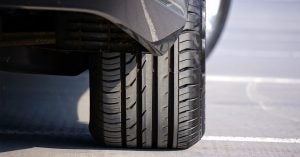
Tire on a car | Goldstein Chrysler Jeep Dodge RAM
Tires are one of the most critical parts of the car when it comes to safety. Old tires with worn tread will not provide the traction you need in any condition, and they are also at risk for a blowout. There are many things that could go wrong if you don't have good tires on your car, so it is important to know the warning signs that your tires need replacing. Make sure you can spot the signs that your vehicle needs new tires.

Bald Tires

Just looking at your tires is one of the easiest ways to tell if you need new ones. If the tread is completely worn down and the tires look bald, they are at risk of failure. This is a dangerous situation not only when the roads are wet or icy but even on smooth, dry pavement. If your tires have bald spots, make sure to bring your vehicle to your service center as soon as possible to get new tires.

Visible Cracks

Bald tires are just one visual indication of aging. You should also check the sidewalls, too. These will start to crack over time as part of the natural aging process of the tire. Damaged sidewalls can cause a blowout that could result in an accident. Keep in mind that this can happen faster in areas where snow and ice are common in the winter. Poor alignment can also cause sidewall damage, so make sure to check them regularly.

Bulges and Blisters

When the outer surface of the tire starts to get weak, bulges will start to form. You'll notice spots that extend outward from the surface of the tires, indicatingĀ a weak spot. Make sure to bring your vehicle into your service center as soon as possible, so you don't end up with a blowout.

Extra Vibration

Every car has some amount of vibration when you drive it down the road, especially if it is not well taken care of. You should take note of the amount of vibration you usually feel in your vehicle, and if you start to feel more than what is normal, then get your tires checked. Extra vibration could indicate several things, but the most common is a problem with the tires. If the issue is not the tires, excess vibration can damage the tires, and you'll end up having to change them anyway.

Worn Tread

You can do a simple check of the tread at home to see if it is getting low. Just take a penny and put it down in between the tread with the head down. If you can't see the top of Lincoln's head, then you still have a good amount of tread. If you can see the top of the head, then you should bring your car in for new tires. Always pay attention to what is going on with your vehicle. Anything out of the ordinary should be investigated to make sure you stay safe on the road.

Posted in:

Related Posts

Goats in the middle of the road | Goldstein Chrysler Jeep Dodge RAM

5 Tips For Safer Driving on Country Roads

Driving on country roads brings you to places you won't see on the interstate. Though the scenery is better, and the traffic is lighter, there are a number of hazards you need to be aware of before setting out on a tour.  Below are five tips for safer driving on country roads. Avoiding Animals One of the biggest dangers of driving country roads is a collision with an animal. Country roads pass through the habitat of deer, bears, moose, and other wildlife. Be extremely alert. Constantly scan the roadside for movement. Get to know the areas where you are likely to see wildlife. Animals appear most often near bodies of water and in areas with thick woods right down to the road edge. Most animals are active at dawn and dusk, so be extra aware when driving at these times. Additionally, as you drive through populated areas, be on the lookout for domestic dogs and cats. Slow down and watch for driveways and be prepared for an animal to run out on the road. more Road Conditions Country roads don't receive the same level of maintenance as state highways and interstates. The roads of upstate New York can be filled with potholes, frost heaves, and crumbling road edges. Hitting any of these can do damage to your car or even cause an accident. Watch the roadside for signs denoting particularly treacherous areas, but also drive at a speed where you can identify and avoid the worst road problems. Blind Corners Twisty roads are one of the pleasures of driving in the country, but they can conceal hazards from your view. Driveways, pedestrians, animals, construction, and more could be hidden around that next corner. Slow down to a speed where you can stop within your sight distance before taking a corner. Anticipate that something will be on the road. Don't take for granted that the road will be clear. Slow Vehicles Unlike major highways, country roads are used by a wide variety of vehicles. Watch out for farm equipment, cyclists, and tourists out for a leisurely drive. Passing on country roads can be dangerous. If you meet a farm vehicle, it is best to wait until they can pull to the side of the road. For cyclists and slow-moving cars, wait until a straight section of road with good visibility before attempting to pass. Don't get impatient. Being safe will only cost you a few seconds. Limited Service Often when traveling on country roads, you'll be the only one on the road. Don't count on your cell phone working or getting help immediately. Prepare for every eventuality by stocking your car with the appropriate supplies such as warm clothes in the winter, extra water, snacks, and warning triangles to place on the road if you break down. Carrying a few extra items will make waiting for help easier. Driving country roads can be a blast. They take you far away from the stresses of the city and provide incredible scenery. If you follow these five tips, you'll stay safe and enjoy your journey.